
Abusua Do Funu
A funeral is public and a hospital bill is private.
Chale, ask around in Ghana and you will hear the same story in house after house. The family that could not raise money for an old man's medicine somehow found far more to bury him, and everybody went home saying, "Ei, the funeral was big!" The hospital bill was a struggle. The funeral was a project.
Many of us have watched some version of this. An aunt falls sick, and the family group chat goes quiet when the pharmacy receipt is posted. She dies, and the abusuapanyin, the head of the family, calls a meeting. Suddenly there is a funeral committee, a budget, a colour brochure, matching funeral cloth, canopies and a date months away so relatives abroad can fly in.
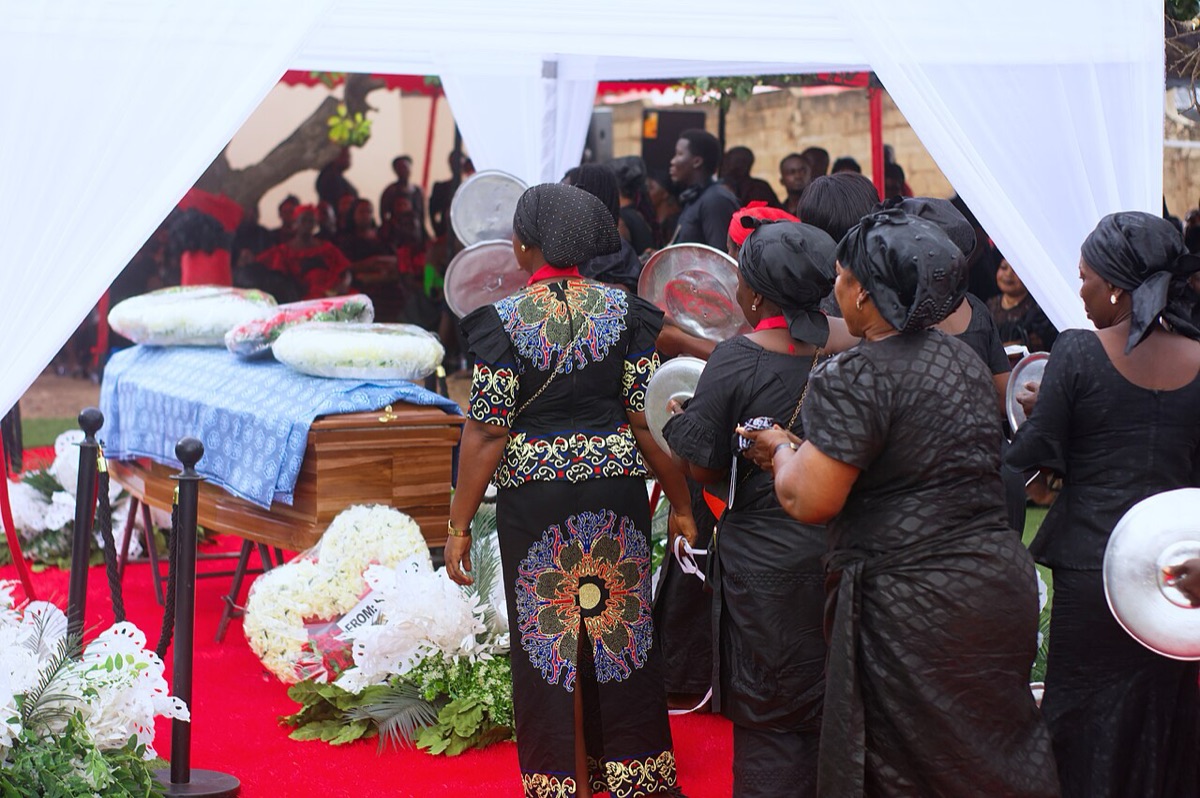
The funeral deserves its defence. It is where a scattered family finally sits in one place, and how a town says goodbye. The donations announced over the loudspeaker work like insurance: everyone gives at everyone else's funeral, so no family carries death alone. Grief needs ritual, and ours is simply louder than most.
But look at what that insurance covers. It pays out at death. There is no loudspeaker for a stroke, a dialysis bill or a long year of bathing someone who can no longer bathe herself. We have learned to share the cost of dying and left each family alone with the cost of living.
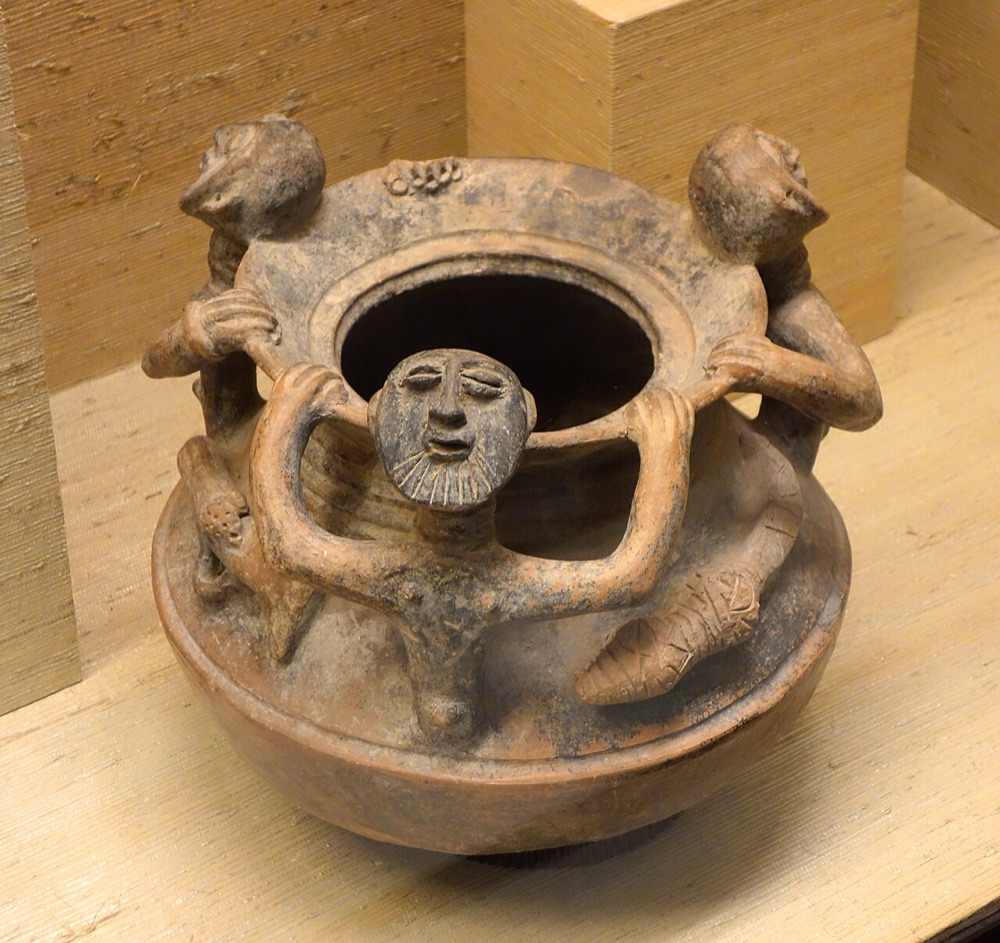
When the anthropologist Sjaak van der Geest studied funerals in Kwahu, he noticed that the longer a body stayed in the mortuary, the more respect the funeral commanded. People knew what the fridge cost, so the waiting itself announced what the family could afford. He also recorded a complaint he heard often: that families spend more on the dead than on the sick and the old. My people, the Akan, already have a proverb for it: abusua do funu, the family loves the corpse. The criticism is ours.
A funeral is public and a hospital bill is private. Nobody sees the money you sent for your grandmother's blood pressure tablets. Everybody sees the canopies. When respect is measured by what the town can witness, money flows to the moment the town is watching.
The love that pays for a funeral is real. Some of it could arrive earlier, while the person can still feel it. The receipt paid without a long debate. A visit on an ordinary Sunday. A phone call that is not about land.
Many of the people we bury in style waited twice. First they waited, alive, for care that came slowly. Then they waited in a cold drawer for weeks, so that they could finally be shown.
Source: Sjaak van der Geest, "Between Death and Funeral: Mortuaries and the Exploitation of Liminality in Kwahu, Ghana," Africa 76(4), 2006.
Images: "Final funeral rites tradition" by Bright Kwame Ayisi, CC BY-SA 4.0, resized. "Receptacle for funeral donations, Ashanti", Royal Museum for Central Africa, photo by Daderot, CC0.

